Tuning the Space
  • Home
  • About
  • Inspirations
  • Instruments
  • Contact
  • Home
  • About
  • Inspirations
  • Instruments
  • Contact

Tuning the Space


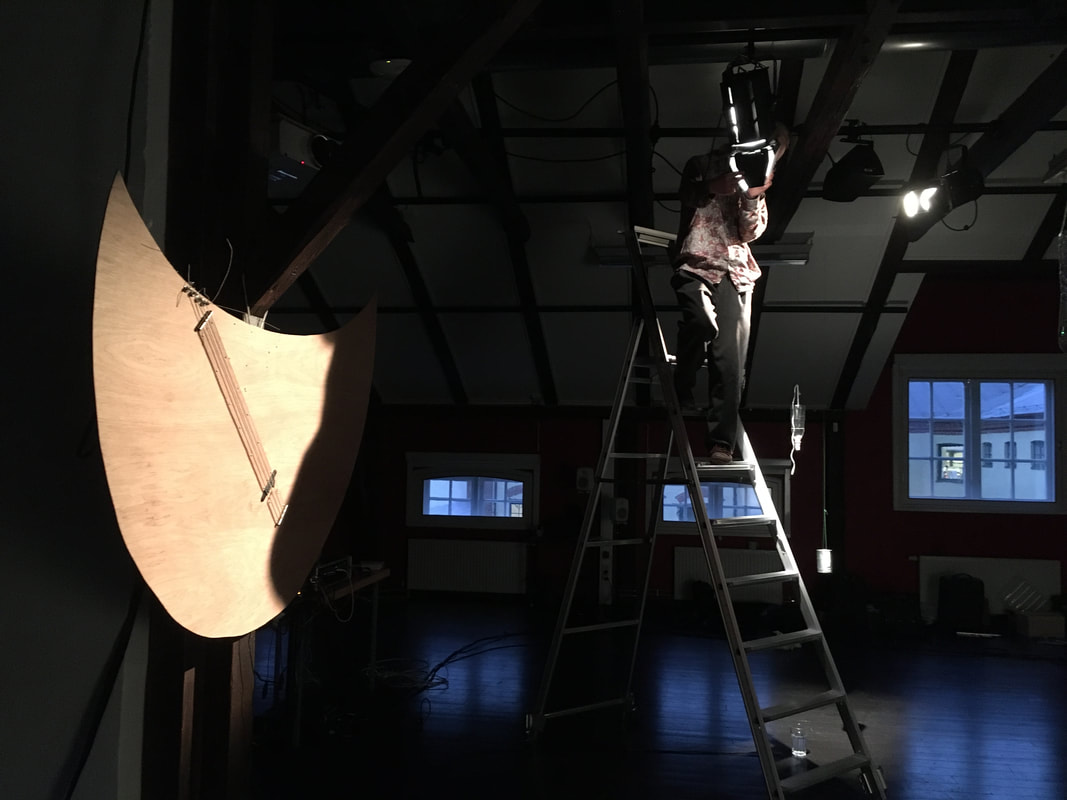
Tuning the Space: performance presentation

12/13/2020

 
Performance as part of the informal review of our residency at Inter Art Center, Malmö, Sweden, 4 December 2020
(edit)
(full)

Informal review of our residency

12/7/2020

 
Soeine: More of our thoughts about the project is in the INSPIRATIONS section.


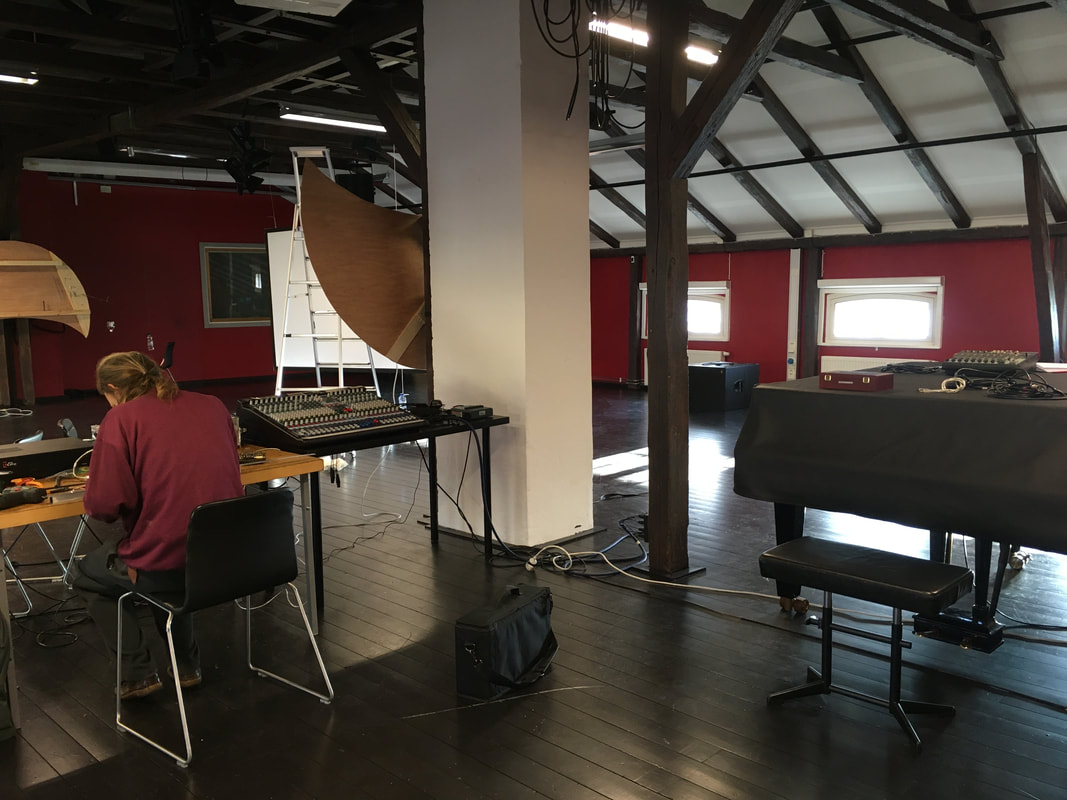
Preparing for the presentation

12/1/2020

 
Picture
Picture

Picture
Picture
Picture

Picture
Picture

Electromagnetic Inducer

11/27/2020

 
Picture

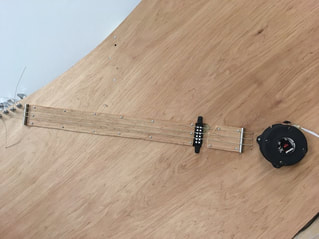
Lars: This electromagnetic inducer is made of a 4mm bolt winded with about 300-400 turns of copper threads (0.1 mm) to make a coil. The ends are connected to an amplifier sending sound through the coil. It works but tends to become very hot, so something about it is inefficient. Especially the string is difficult to vibrate without turning the volume almost to the maximum on the amplifier.
Lars: The video below (electromagnetic inducer 2) shows our test of the feed back system with the inducer, a string, and a pickup microphone. I constantly had to feel the temperature with my finger to make sure it would not burn. We found that attaching strong neodymium magnets to the bolt made the inducer more efficient. We attached the the magnet "sideways" i.e. with the magnetic north pole pointing perpendicular to the direction of the bolt.
Lars: In the electromagnetic inducer 1 we test the same setup but with a tubular bells, instead. Here we attached a neodyme magnet to one of the bells to increase efficiency.
Lars: In the last video electromagnetic inducer experiment, we worked with strings loose in one end, somewhat similar to the Kalimba. We found it most effective to attach the magnet under the string so the magnet can vibrate freely in connection with the string.

Feedback experiment

11/25/2020

 
Picture

Flower Springs experiment

11/24/2020


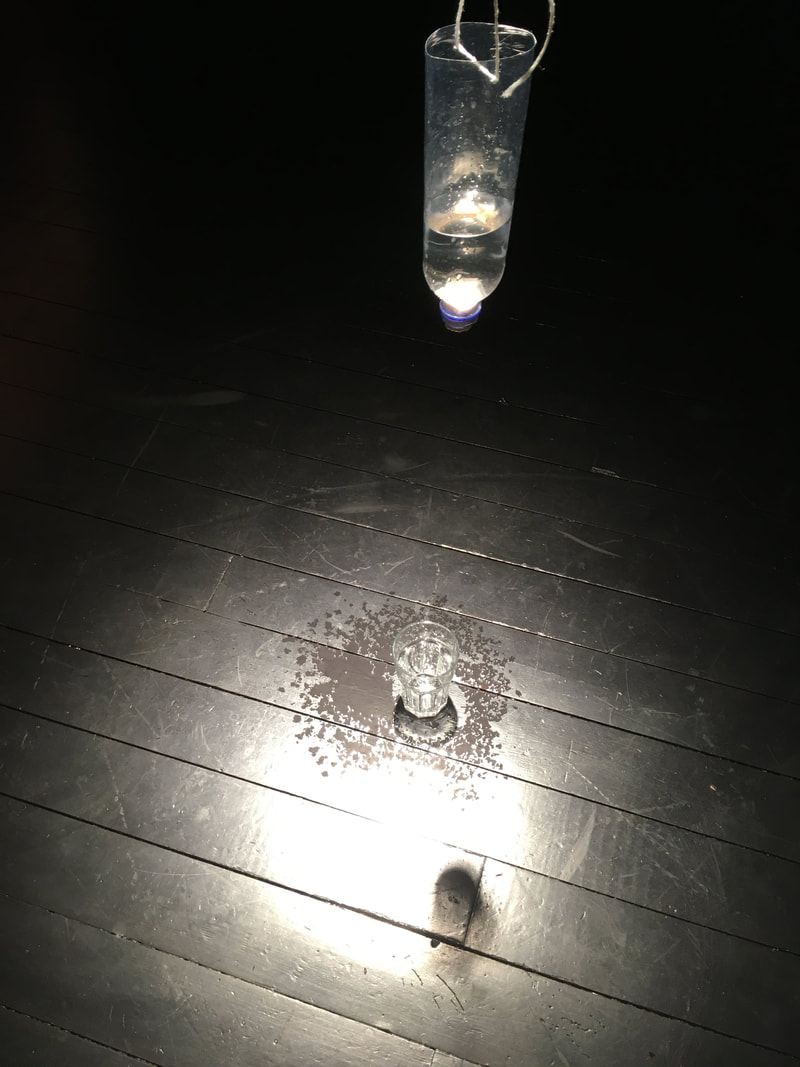
Aligning Drops experiment

11/24/2020

 
Picture
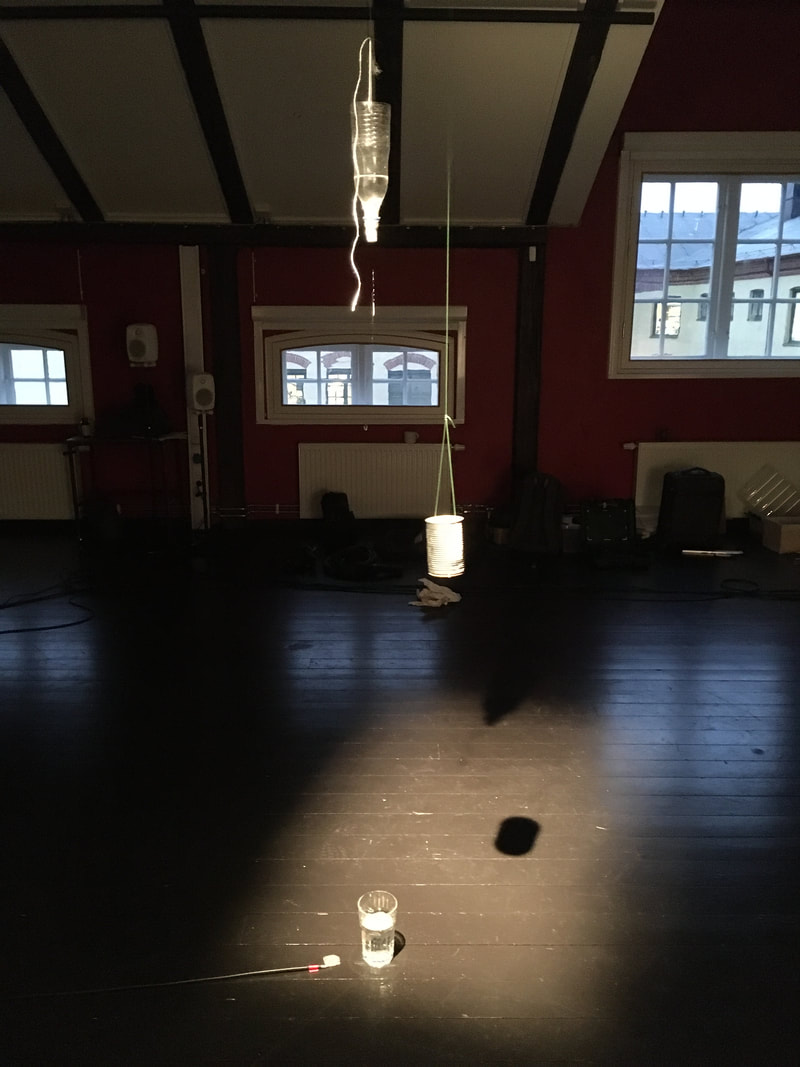
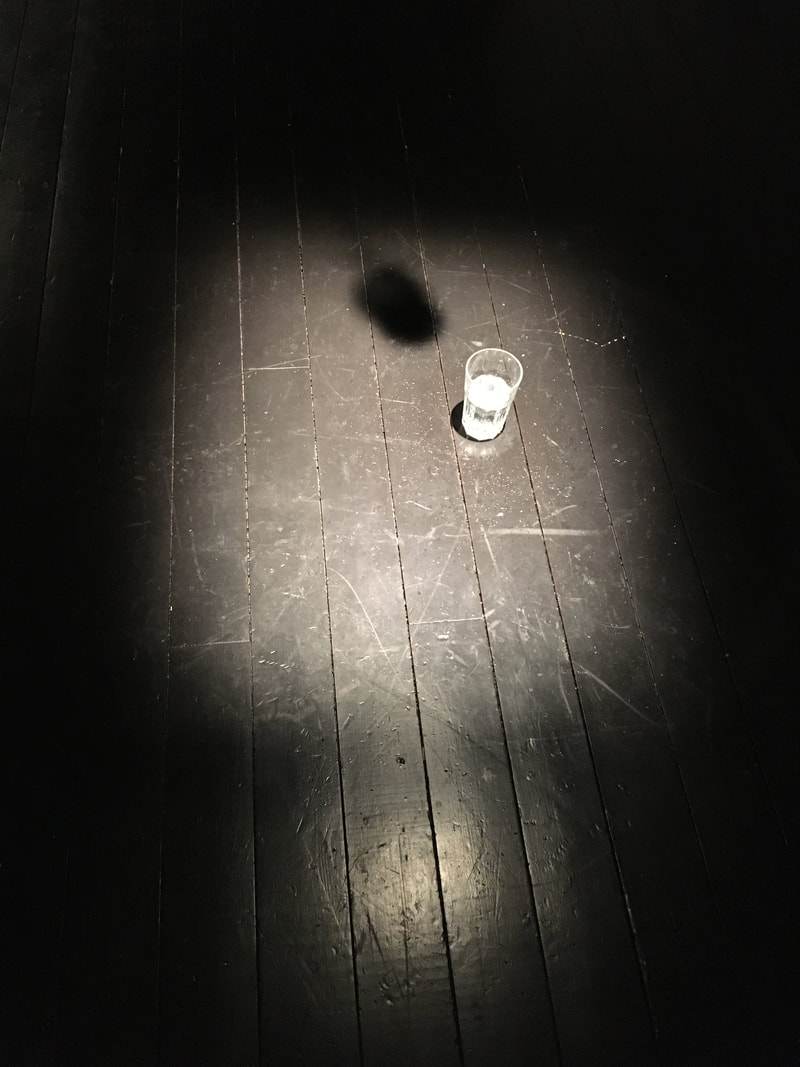
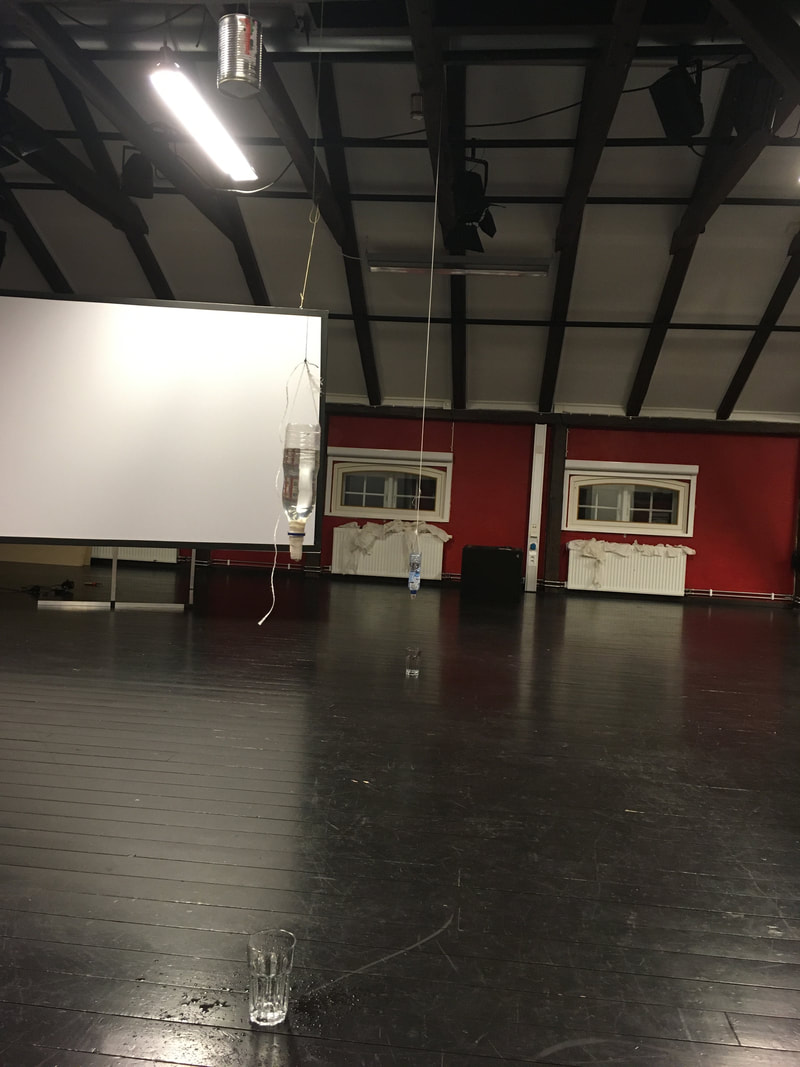
Soeine: There are four water bottles hanging from the ceilings. I tune the sounds of the water drops by changing the amount of the water in the bottles.

Settling in Red Room

11/23/2020

 
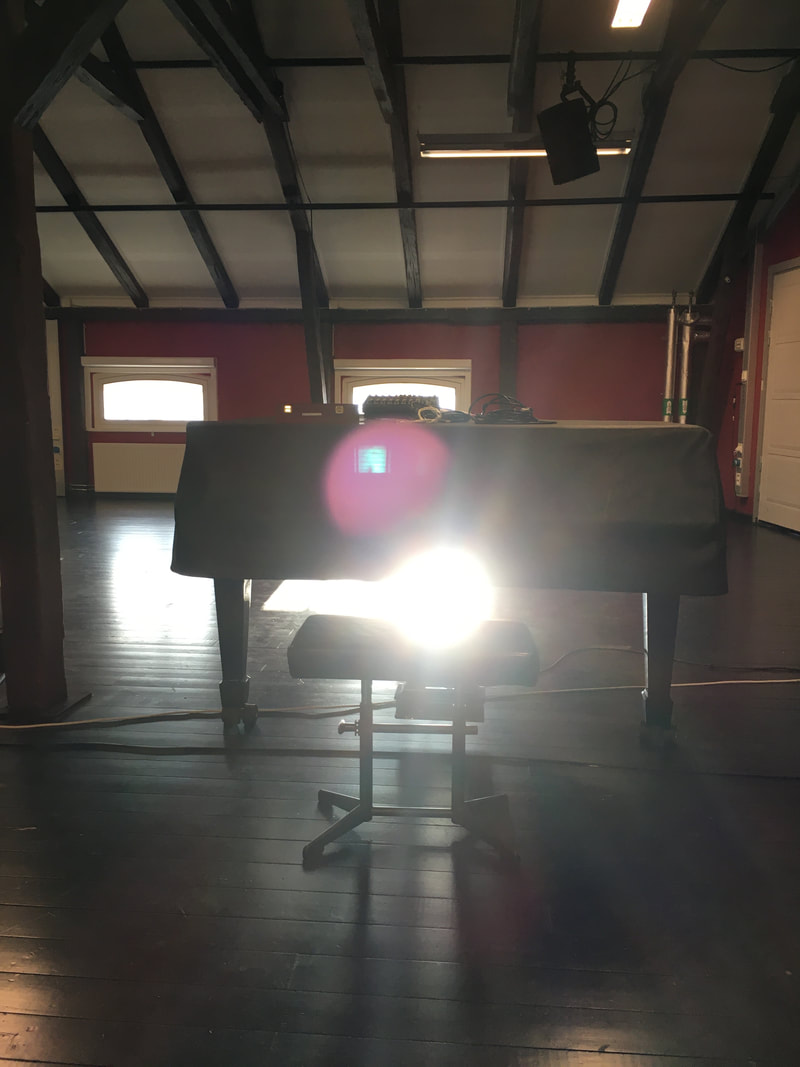
Soeine: We started composing the space in the Red Room at Inter Art Centre.
Lars: 
Picture
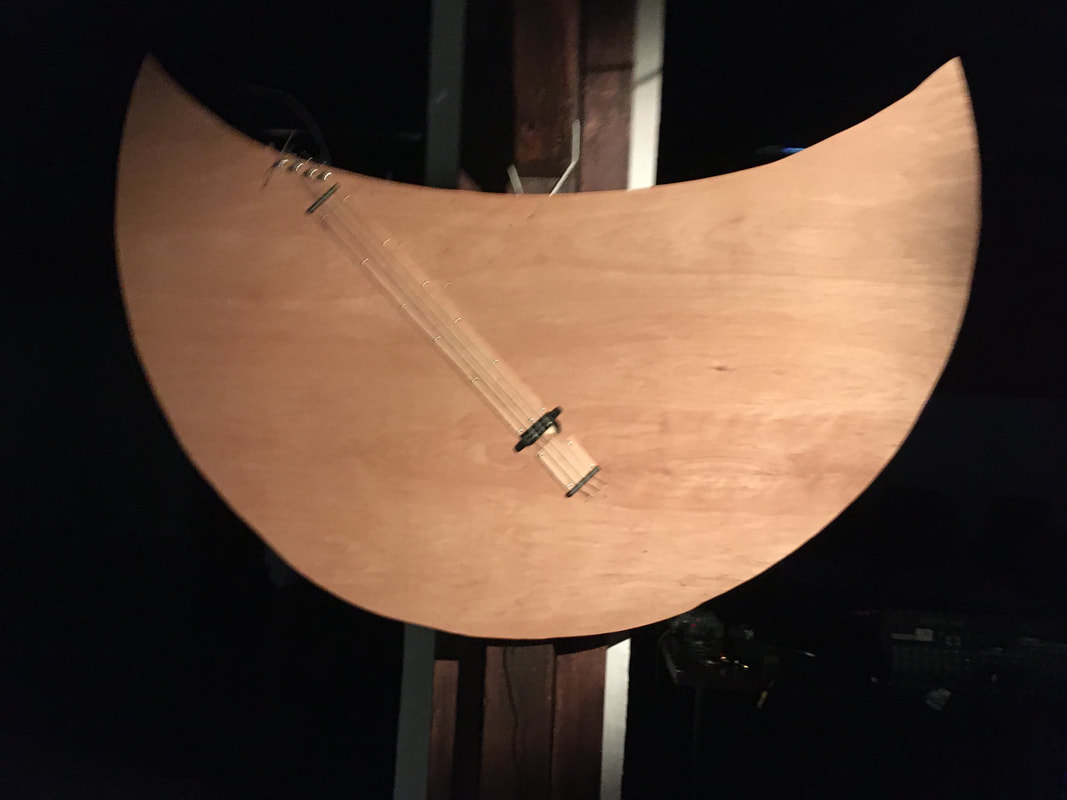
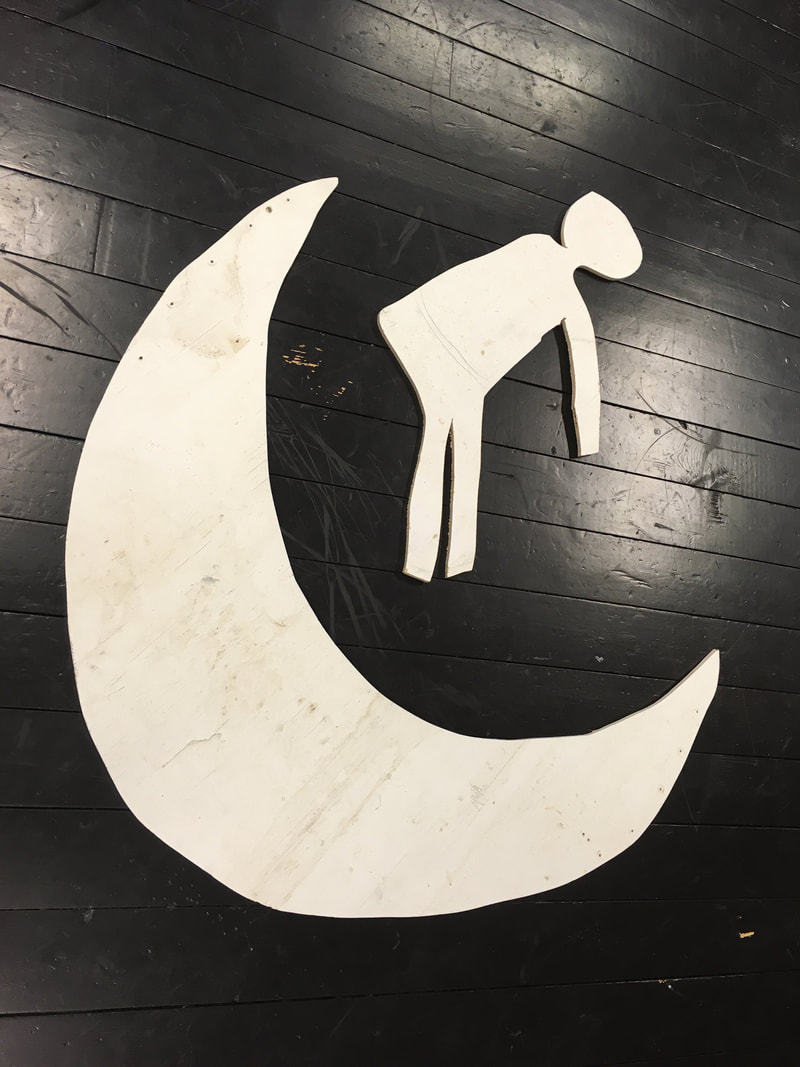
Pjerrot and the moon are from Lars's previous project, The Music Inventors Quartet with children. This is made by Johanne 12 years old. We decided to use it for the visual theme of our project.
Picture
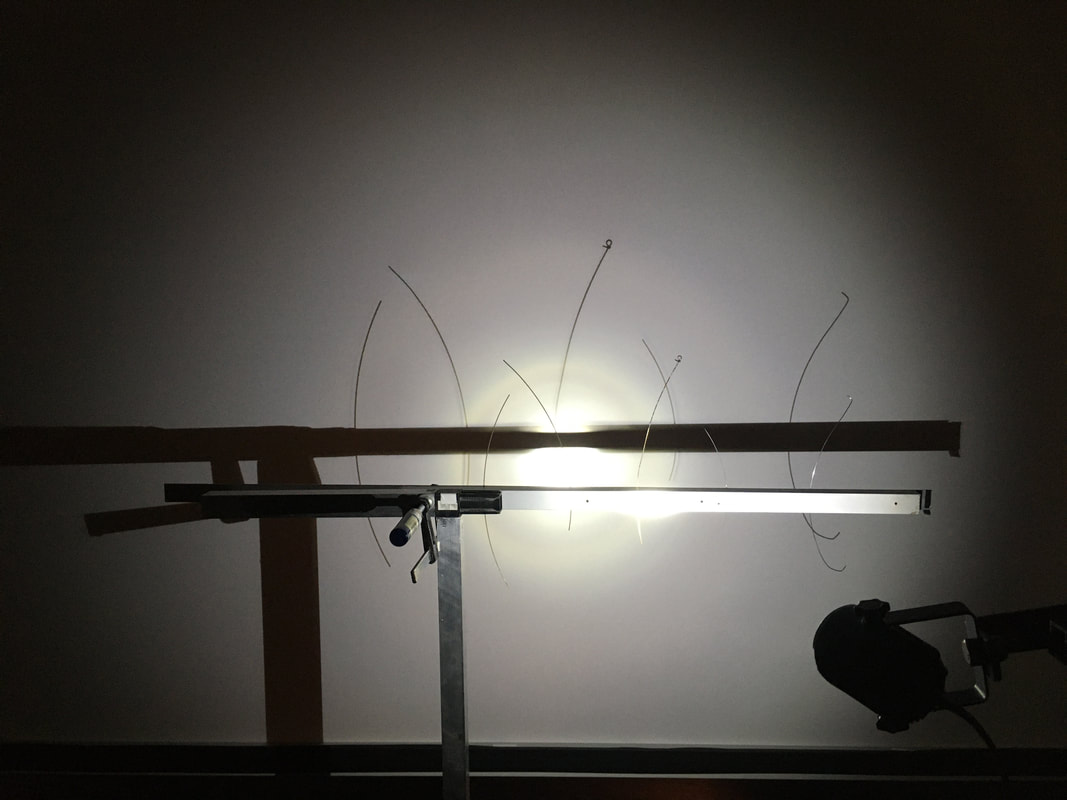
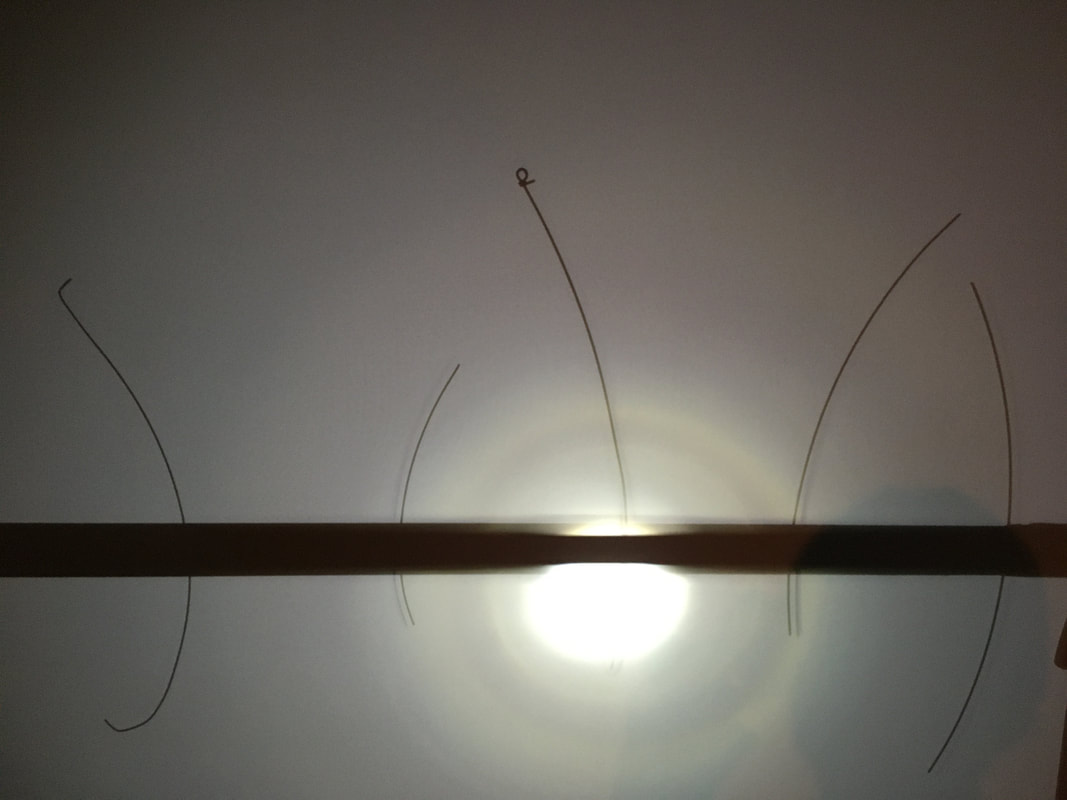
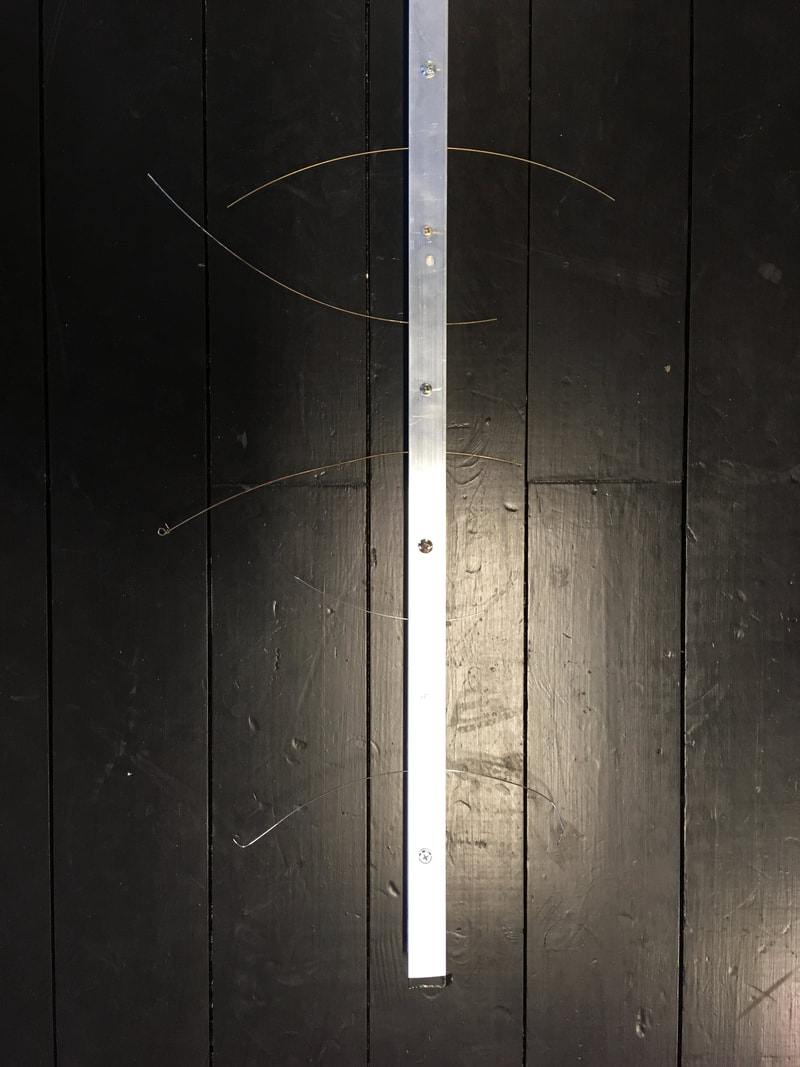
Flower Springs became grass blades.
Picture
Picture

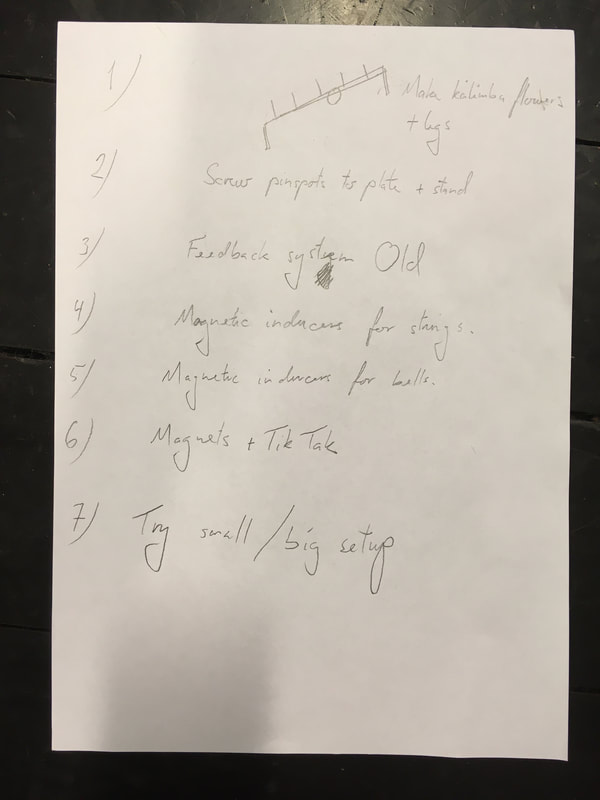
Plan for Making the Instruments

11/20/2020

 
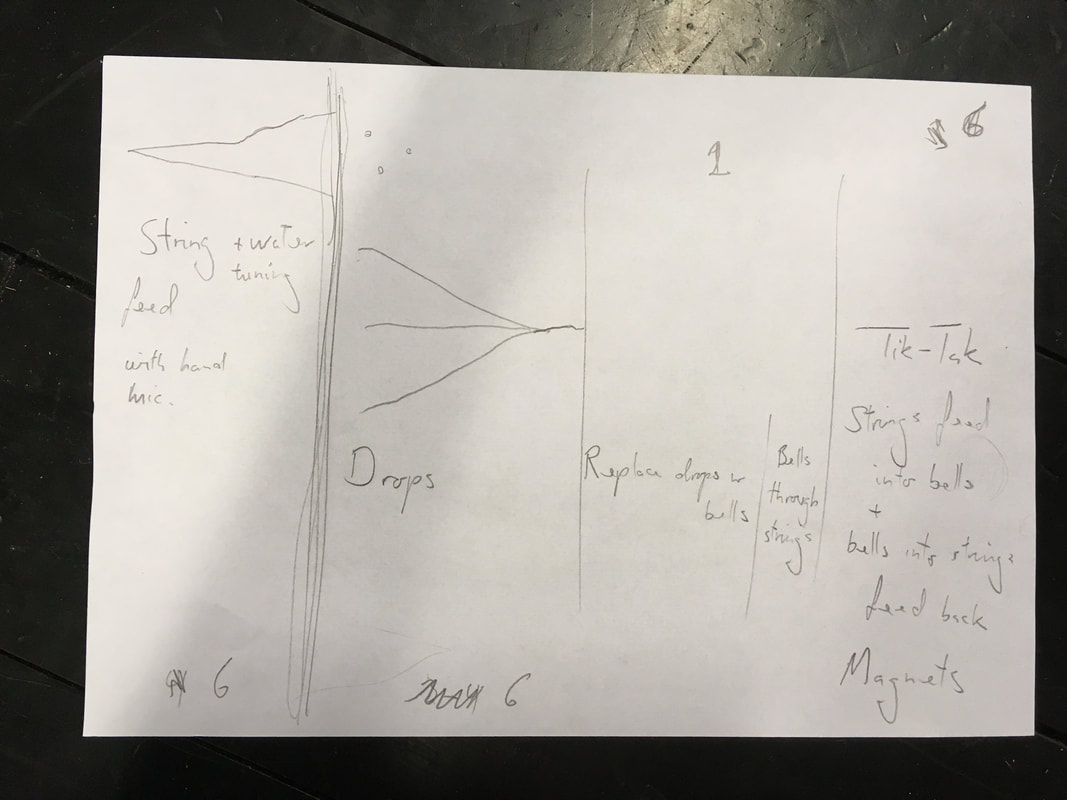
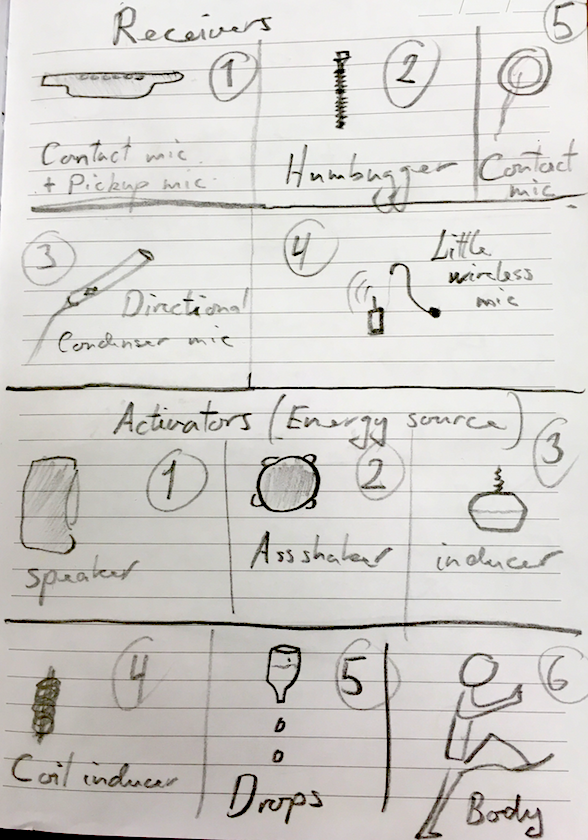
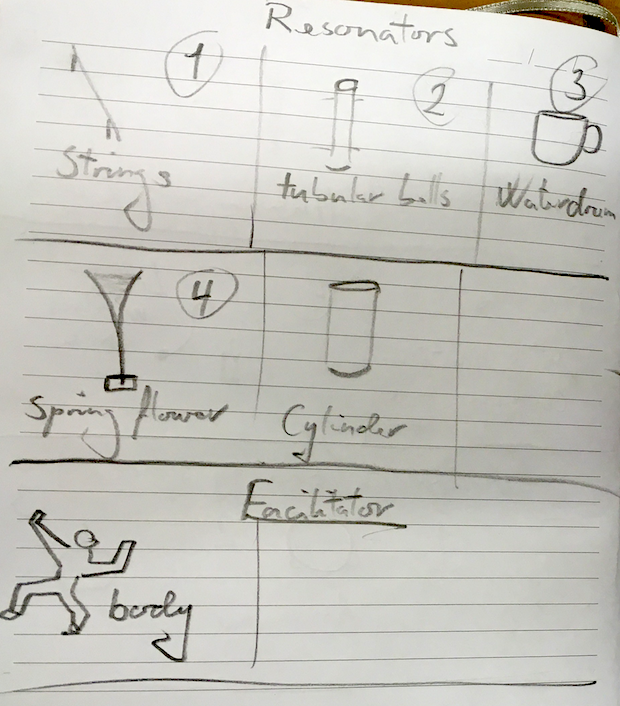
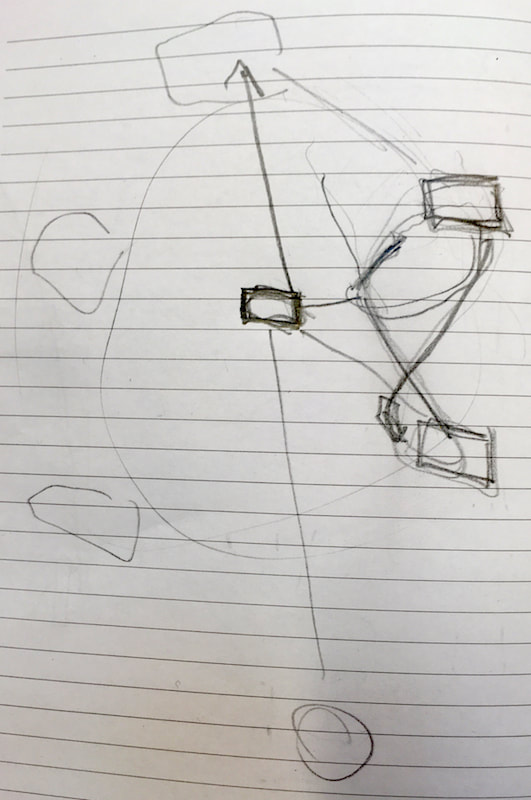
Lars: ​Possibilities for feedback variations. We need an activator a resonator and a receiver to make a unit. The idea is to feed from one unit to another and back from the second to the first again to complete the circle. Which activators, resonators and receivers we select to make a unit and which units we pair together will naturally determine the timbres and musical possibilities of the piece. We think of  as a matrix where we can compose by choosing different cross sections between the elements. Either a computer a mixer or a dancing body could facilitate the feedback process by making the pairings of the matrix during performance.
Picture
Picture
Picture
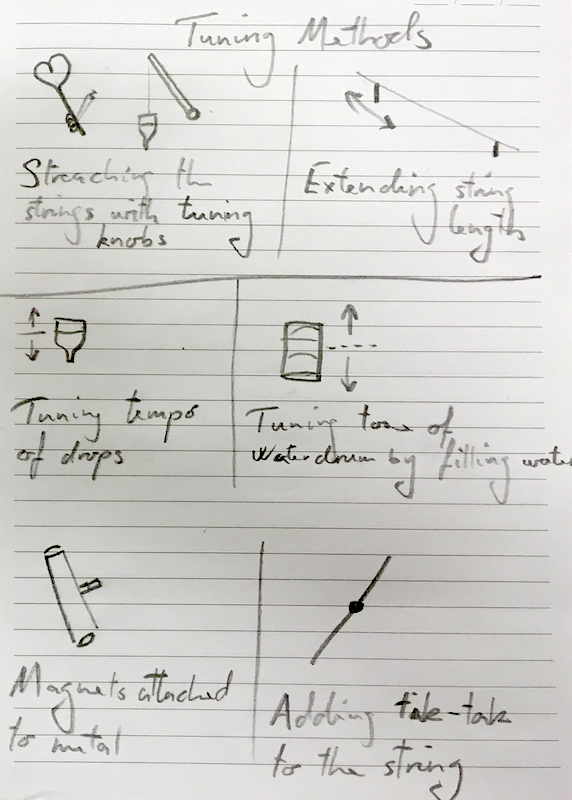
Lars: Another parameter determining the feedback between the two units is their tonal relation. If they are tunes to have overtones in common the feedback will rise, if not the feedback dies out.
A special case is the dripping bottles, which we treat as a rhythmical element rather than a tonal. "Tuning the drops" means adjusting the speed of the dripping. This can be done by filling more or less water into the bottle whereby the water pressure increases/decreases.

Instrument: Feedback

11/17/2020

 
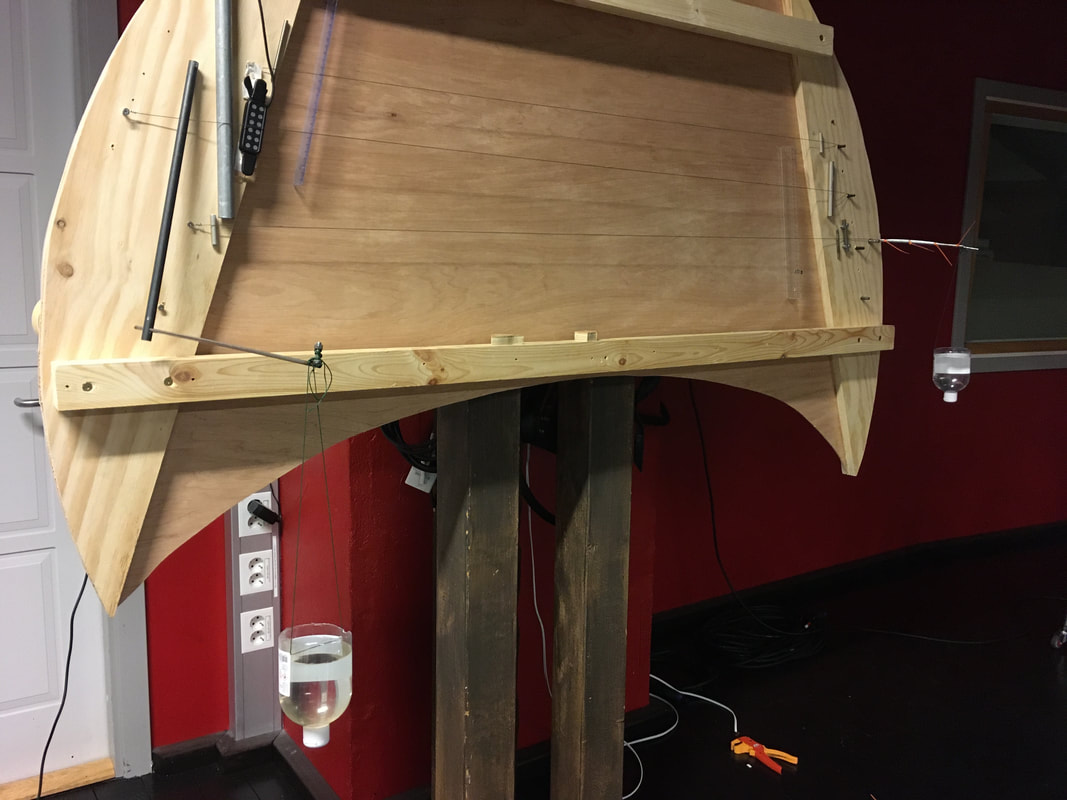
Soeine: We try to develop a device that self-generate sound through the vibrations of the strings. The vibration of the string will be picked up by a electro-magnetic pickup, and transferred to a computer and then to a speaker facing towards the string. Then the vibration from the speaker will vibrate the string and the whole process loops. Because the sound will be amplified, the amplified sound will be stopped by a command of computer program or by a performer, e.g., by holding the string to stop it from vibrating. 
Picture
Lars: Varying sounding objects (e.g. strings, springs or tubular bells) interconnected through a central matrix. Sound is feed from one instrument to the next, and they start mutual resonance when tuned to the same (or spectrally related) tones.
Picture
Lars: Feedback ca be a bit difficult to control!
We blew up one of our inducers while experimenting. I once heard from a sound engineer that you have to blow up at least a few parts to get a real feel for the limits of the physical matter. Well, now at least I know what NOT to do :)
<<Previous

    Author

    Lars Kynde, Danish composer

    Seine Bac, Canadian performance/visual artist

    Categories

    All

    RSS Feed

Powered by Create your own unique website with customizable templates.